The next two days will be spent traveling to our next port. At this point, there are many small islands and scenic views that are called the Chilean Fjords. As we traveled through this area, we were expecting to see snow and ice, but instead we saw lush green hills with snow-topped mountains in the distance.


During the day, we had typical activities such as a cooking demonstration by one of the pastry chefs on how to mold bread into interesting forms. He also made a favorite roll from the Philippines made with sweet bread and cheese. Yum.

My latest art project was trying to sketch one of the churches from Chiloe, Castro, Chile. These churches were made by the shipbuilders, so they were all wood and often very colorful.

Castro is located in a large bay that is protected from the swells we have been experiencing in the ocean. The city does not have a pier for a large ship like ours, so we anchored in the bay and took “tenders” to the shore. The water was very calm, so the tender rides were smooth and easy. All around the bay, we could see lines of floats which are mussel farms. Castro also has salmon and rainbow trout farms inland. Most of this fish is for export. Although we saw boats along the shore, actual fishing does not seem to be an important industry here.

We signed up for a tour of a national park. On the way, however, we were able to see several interesting sights. There are many churches in the area, but they were built by the locals which means, boatbuilders. The churches are all made of wood and sometimes painted very bright colors, such as the yellow and purple church. You can see the shipbuilders art in the construction and decoration of the churches. The churches are designated as a UNESCO Heritage Site.


Also, Castro is known for it “Palafitos”, which are houses built on stilts. The tides are more extreme on the bay waters because of the smaller volume of liquid. The water levels can vary by 21 feet in a day. These brightly painted houses were becoming run down, but their popularity has increased lately and people from the larger cities in Chile have purchased and refurbished these homes. They are now rather expensive to buy.
The National Park of Chiloe is a preserve of indigenous species. We saw mostly trees and flowers, a few birds and some really big flies. There are nice pathways built throughout the park. Sometimes the pathways looked like the entrance to a secret garden… very cool. The main indigenous tree, the Tepu tree, is known for its very hard wood. It is not usually large enough pieces to make furniture or for building, but a limb will make an excellent handle for a strong ax as long as the wood is cut and worked before it dries completely. The wood is also an excellent source of firewood. The flowers were also blooming and very pretty.


It is hard to believe that it’s been almost 3 weeks since we started our journey. We still have 8 days before we get to Antarctica. Days 19 and 21 are sea days with the typical lectures, cooking demonstrations and art classes. We have a guest chef from Chile onboard, Chef Manuel Matamala. Ron learned to make Currasco Marino, a sort of fish slider, and some other tasty dishes. On Day 19 in the evening, we approached what looked like a mysterious island, shrouded in mist. As we got closer, it turned out to be Robinson Crusoe Island. The seas have been a little choppy, so it was nice to pull into the bay where the waters were quiet.


Today’s port was the island of Róbinson Crusoe and the town of San Juan Batista. The island was the home to a marooned sailor, Alexander Selkirk, who’s story is thought to have inspired Daniel Defoe’s book “Robinson Crusoe”. To reflect the literary lore associated with the island and attract tourists, the Chilean government renamed the place, Más a Tierra, to Robinson Crusoe Island in 1966.
During World War I it was the site where a German cruiser, Dresden, was scuttled. It still lies about 250 ft underwater in the bay where we anchored.

In 2010 the island was struck by a tsunami, killing 16 people.

There’s not a lot to do in the town but there are 3 main hiking paths for visitors, one of which we did. The main road up through the town was very steep. It was not surprising to see a sign designating this road as the tsunami evacuation route. After our hike, we visited the small church along the steep road and then found a nice little cafe where we ate a homemade apple turnover with a nice cup of coffee before returning to the ship.


Today’s excursion was a visit to the Matetic Vineyard. This vineyard is unique because it uses no artificial fertilizers or pesticides in making the wines. They planted their grapes in such a manner as to maximize the natural layout of the land. They take advantage of the daily fog and low clouds to provide water for the grapes. The result was a really delicious set of wines.

Our guide was very knowledgeable and personable. One treat was trying two of the wines in small chocolate cups. You eat the cup and wine all at once. A treat not to be missed.
If you didn’t know, internet on the ship is very expensive. So when a port has free internet everyone flocks to the port to use it… including us at the moment.

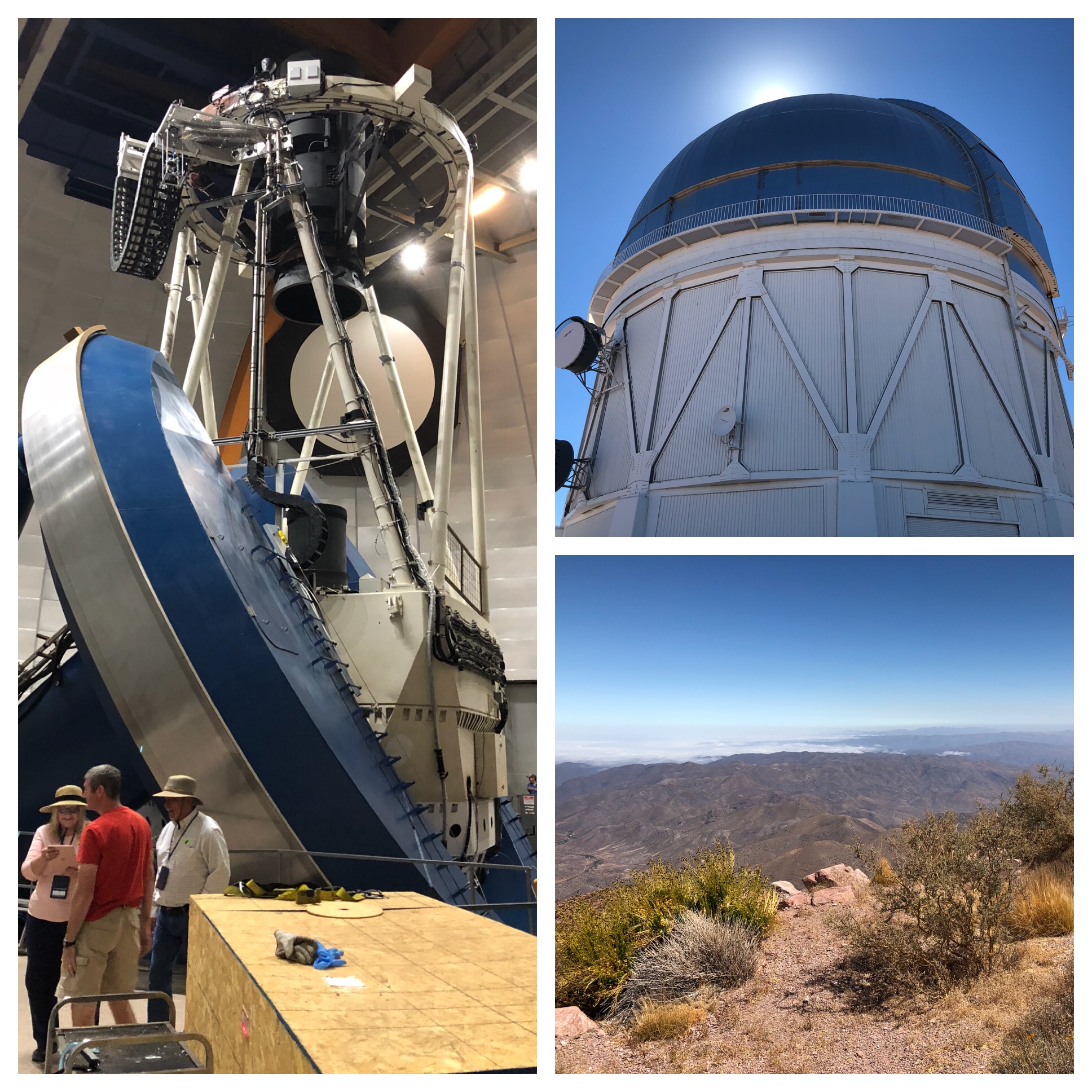
Today we visited the Cerro Tololo Inter-American Observatory. It is located atop a mountain where there are usually 300 days of clear weather per year and the air is super clean. It is owned and operated by a consortium of US and South American colleges/universities. We toured the facilities and treated us by opening and closing the observatory doors and rotated the telescope like they would if they were actually viewing the night sky. What fun!
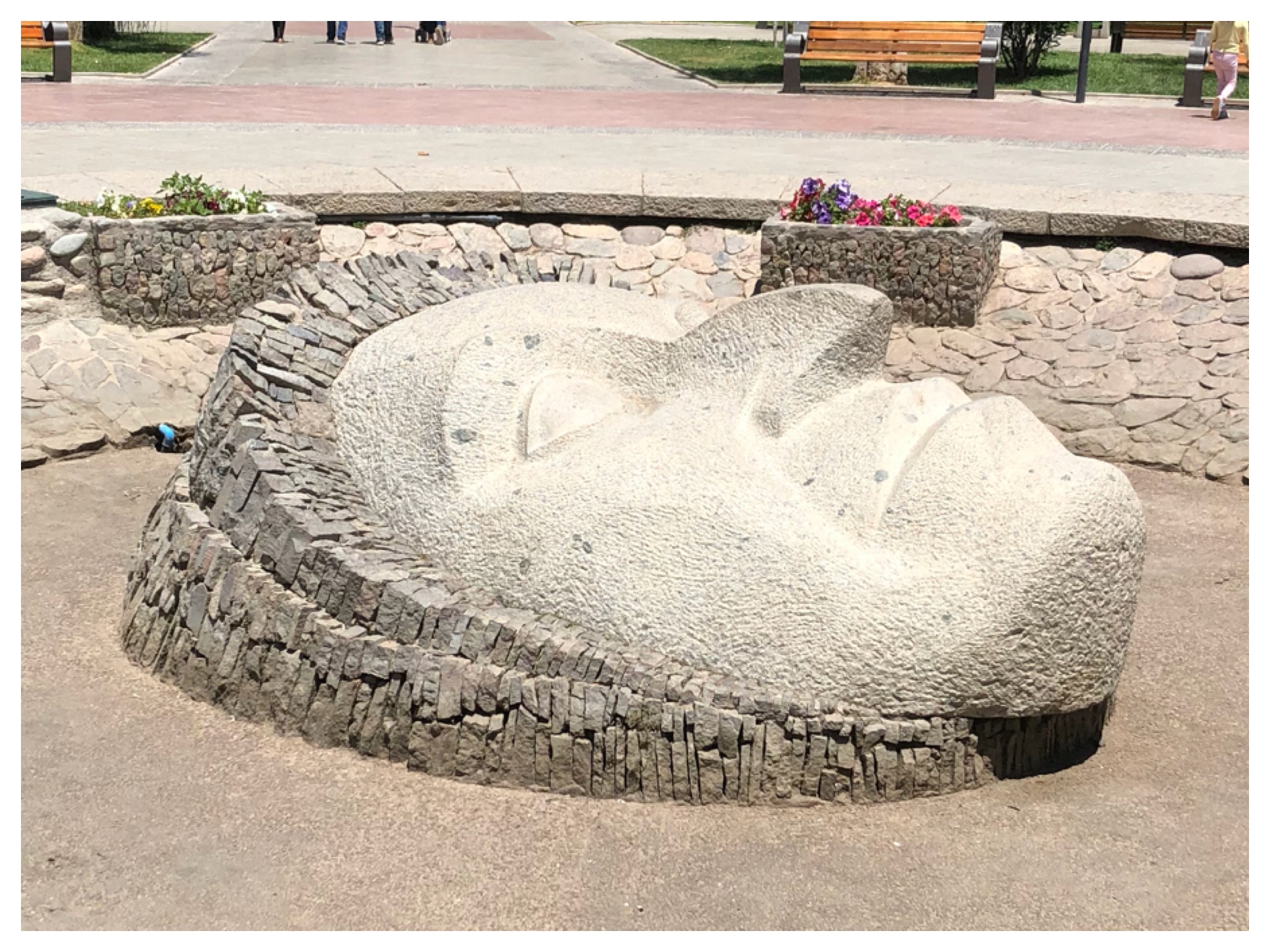
Later traveled to the small Town of Vicuña for lunch. The Nobel winning poet Gabriela Mistral is from there. Her face in cement is at the bottom of a fountain there facing the mountains around the town that she loved.
We then returned to the ship.